



Contact Us Today!

When Do Kids Start Losing Teeth? A Parent’s Guide to the Baby Teeth Timeline
Posted on June 20th, 2023
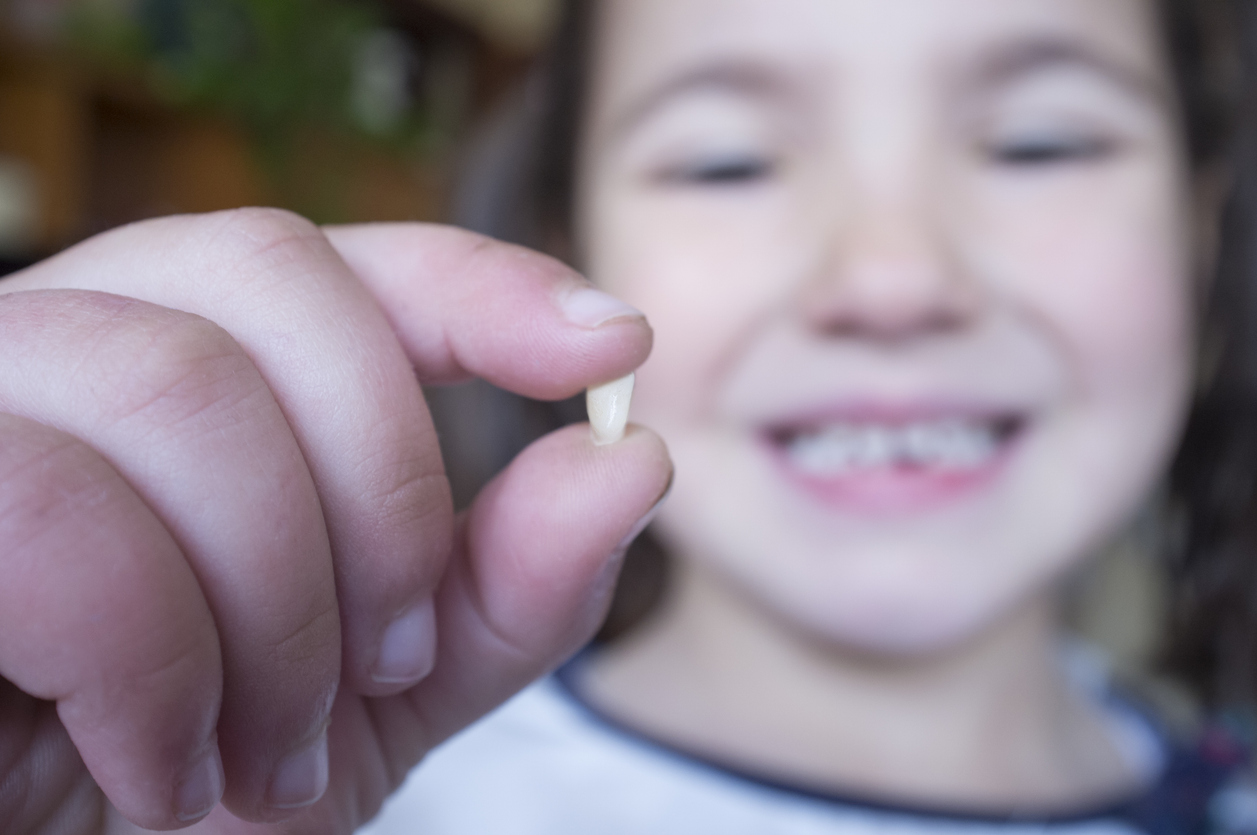
One of the first big milestones in your child’s dental development is losing their baby teeth. For many parents, it raises questions: When do kids start losing teeth? What age should it happen? Which teeth fall out first—and what if it hasn’t started yet?
The good news is that losing baby teeth follows a fairly predictable pattern, and losing teeth slightly earlier or later is usually nothing to worry about. Understanding what to expect can help you support your child’s oral health and ease any worries along the way.
What Age Do Kids Start Losing Teeth?
Most children begin losing their baby teeth between ages 5 and 7. For some kids, it may happen a little earlier, and for others, a little later. Both can still fall within a healthy range.
Typically, losing teeth begins around the same time permanent teeth start developing underneath the gums. As the adult teeth push upward, they cause the roots of the baby teeth to dissolve. Once the root is mostly gone, the baby tooth becomes loose and eventually falls out.
If your child hasn’t lost a tooth by age 7, it’s usually not a cause for concern. Genetics, overall growth patterns, and dental development all play a role. A pediatric dental exam can help confirm that everything is progressing as it should.
Which Teeth Do Kids Lose First?
In most cases, children lose their teeth in roughly the same order they first came in. The lower front teeth, also called the mandibular central incisors, are usually the first to go. These are followed closely by the upper front teeth.
These teeth typically erupt first during infancy, so it makes sense that they’re also the first to fall out. Because they’re front and center, losing them is often an exciting (and very noticeable) milestone for kids.
After the front teeth, children usually lose their lateral incisors, followed by the first molars, canines, and finally the second molars.
A Typical Timeline of Losing Baby Teeth
While every child is different, there is a general tooth loss timeline most kids follow:
- Between ages 5 and 7, the front incisors usually loosen and fall out
- Between ages 7 and 9, children often lose their lateral incisors and first molars
- Between ages 9 and 12, canines and second molars typically fall out, completing the transition from baby teeth to permanent teeth
By the early teen years, most children have lost all of their primary teeth. The permanent teeth that remain—aside from wisdom teeth—are meant to last a lifetime with proper care.
If teeth fall out much earlier or much later than expected, your dentist may monitor spacing, alignment, and eruption patterns to ensure their adult teeth come in correctly.
What’s Normal—and What’s Not?
Loose teeth, mild gum tenderness, and slight bleeding when a tooth falls out are all normal. Some kids experience discomfort, while others barely notice.
However, pain, swelling, or signs of infection are not typical. If a baby tooth doesn’t come out on its own and blocks a permanent tooth from erupting, your dentist may recommend treatment.
Crowding, delayed eruption, or baby teeth that don’t loosen at all can sometimes indicate orthodontic or developmental concerns. Regular dental checkups allow these issues to be caught early.
How to Help Your Child Through Tooth Loss
Losing teeth can be exciting, but it can also feel strange or uncomfortable for kids. Encouragement and reassurance go a long way. Let your child know that loose teeth are a natural part of growing up and that everyone goes through it.
Avoid pulling teeth before they’re ready. If a tooth is very loose, gentle wiggling is fine, but forcing it out can cause unnecessary pain or bleeding.
Once a tooth falls out, have your child gently rinse their mouth and bite down on gauze if there’s bleeding. The area should heal quickly.
Supporting Good Oral Health During This Stage
As kids lose teeth and gain new ones, oral hygiene becomes more important than ever. New permanent teeth are especially vulnerable to cavities during the early years.
Continue brushing twice a day with fluoride toothpaste and flossing daily. Parents should supervise brushing until children can do it effectively on their own—usually around age 7 or 8.
A balanced diet also supports strong teeth. Limiting sugary snacks and drinks helps protect both baby teeth and newly erupted permanent teeth. Drinking water and eating crunchy fruits and vegetables can naturally support oral health.
Routine dental visits allow your child’s dentist to monitor tooth loss, eruption patterns, and spacing. Sealants, fluoride treatments, and early orthodontic evaluations may also be recommended depending on your child’s needs.
When to See a Dentist
If you’re unsure whether your child’s tooth loss is on track, a dental exam can provide peace of mind. Dentists can take X-rays if needed to confirm that permanent teeth are developing properly beneath the gums.
Early guidance can help prevent issues like crowding, misalignment, or delayed eruption—setting your child up for a healthier smile in the long run.
Schedule Your Child’s Dental Visit in Chicago
If you’re wondering when kids start losing teeth or have questions about your child’s dental development, the team at Windy City Family Dental is here to help. Our friendly, Chicago pediatric dentists provide gentle, thorough care for children at every stage of growth.
Schedule your child’s dental exam today and let us help support healthy smiles—from the first loose tooth to the last one lost.


